
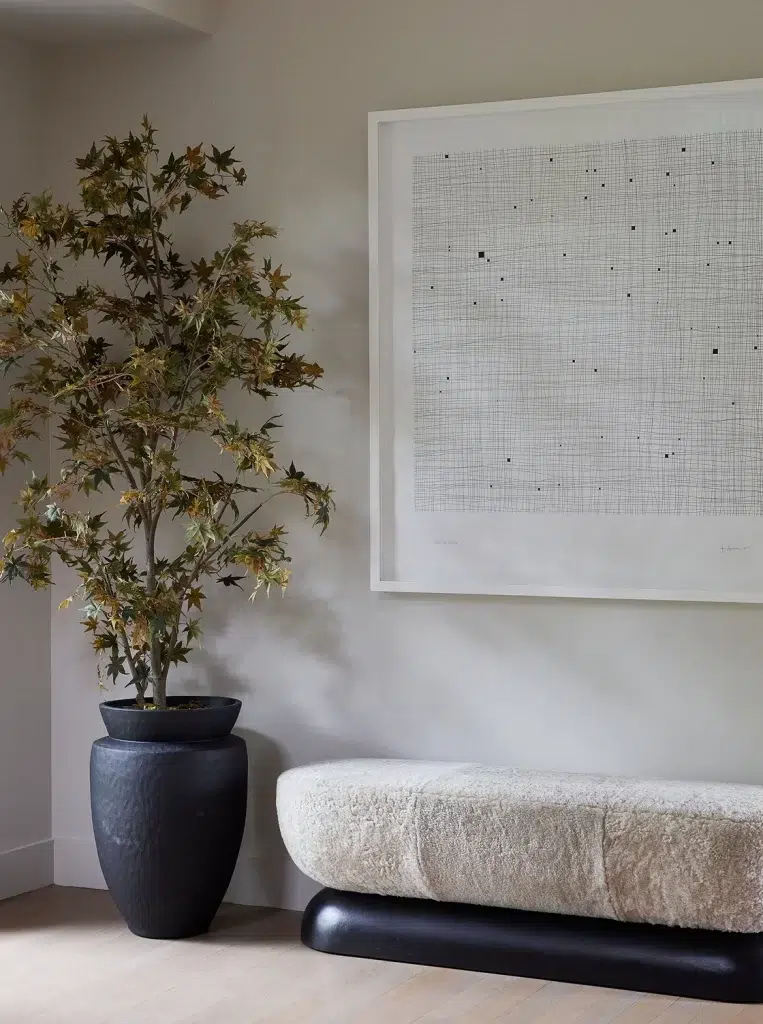
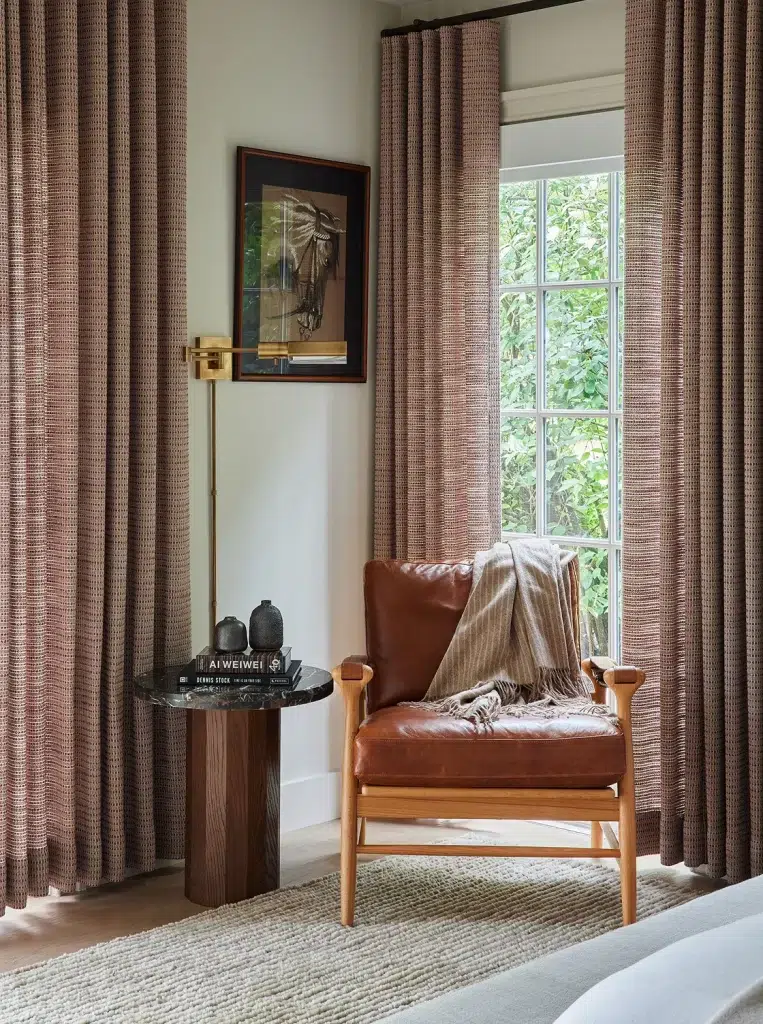
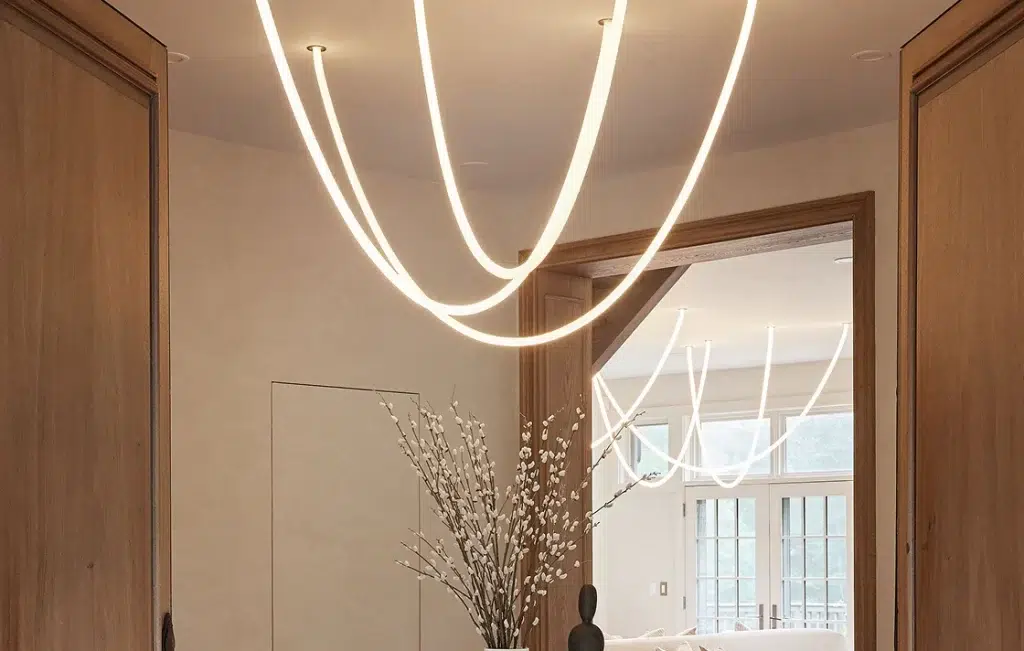
A weekend home in Connecticut offers more space and a closer connection to nature.
But a house used mainly on weekends and holidays comes with its own design considerations, especially when it needs to feel welcoming through the changing seasons. Thoughtful second home interior design can make the transition from city life to country living feel effortless, creating a place that is comfortable, functional, and ready whenever you arrive.
Let’s explore how to design a Connecticut weekend home that balances seasonal comfort, practical storage, and a sense of retreat, drawing inspiration from our Ridgefield residential interior design project.
How Second Home Interior Design Differs From a Primary Residence
A primary residence is the backdrop for your everyday life, from busy mornings to ordinary weeknights. A second home serves a different purpose. It needs to accommodate family gatherings, quieter moments, and weekend living.
The goal of second home interior design is to create a home that feels like an escape without adding another layer of responsibility to your schedule.
When planning vacation home interior design, it helps to begin with how the house will function, both when you are gathered there for visits and when it is resting between them.
- Easy arrivals: Keep everyday essentials organized and accessible so settling in requires minimal effort.
- Practical materials: Choose upholstery, flooring, and finishes that can handle children, guests, and seasonal hosting.
- Flexible gathering spaces: Create rooms that feel comfortable for a relaxing family weekend but can also accommodate visitors.
- Simple upkeep: Prioritize furniture and materials that are easy to maintain.
Good weekend home design allows you to spend less time managing the house and more time enjoying it.
Let the Landscape Set the Palette
One of the most compelling aspects of owning a country home in Connecticut is the relationship between the house and its natural surroundings.
Wooded landscapes, changing foliage, and seasonal light inspire an interior palette that feels connected to its setting.
In our Ridgefield, Connecticut project, our clients were drawn to the property’s lush natural setting. They envisioned a weekend retreat that mirrored that connection. They wanted a peaceful place to exhale and leave the city’s demands behind.
So we didn’t introduce colors that competed with the landscape. Instead, we developed a restrained palette inspired by the surroundings.
Muted greens, soft neutral tones, and varied wood finishes created warmth and continuity throughout the home. Subtle black accents provided contrast and gave the interiors definition without disrupting their calm atmosphere.
This design approach works particularly well for country house interior design, where the relationship between indoor and outdoor spaces can shape the experience of the home.
When developing your own palette, consider how colors will respond to the changing seasons. Soft greens and natural wood can complement summer foliage while maintaining warmth against winter’s quieter landscape.
Natural materials, thoughtfully selected furniture, and subtle architectural details can further reinforce the connection between the interiors and their surroundings.
Make an Older Connecticut House Feel Cohesive
Many Connecticut homes have evolved through additions, renovations, and changes in homeowners.
While these layers can add character, they may also create inconsistencies in flooring, cabinetry, architectural details, and finishes.
In our Ridgefield project, previous renovations left the house with a mix of materials that didn’t share a clear visual connection.
We didn’t want to treat every room as a separate design exercise, so we focused on establishing a consistent material language.
A carefully selected wood stain helped unify the different wood species throughout the house while complementing the existing tilework. We carried the same millwork stain from the kitchen into the dining room and media room built-ins.
This repetition created continuity between spaces without requiring every room to look identical.
For homeowners considering Ridgefield interior design or renovating an older property elsewhere in Fairfield County, cohesion doesn’t necessarily mean replacing everything. Sometimes it just takes refining how existing materials, new finishes, and architectural details work together.
When Does an Older Home Need a Larger Renovation?
Some homes benefit from more extensive remodeling, particularly when the existing layout no longer supports how the family uses the space.
Before beginning a renovation, consider whether the challenges are primarily aesthetic or functional. A room with mismatched finishes may need a more cohesive design, while an awkward kitchen layout or poorly connected living spaces may call for changes to the floor plan.
An interior designer can help evaluate these priorities through space planning, material selection, and coordination with architects and contractors when structural changes or construction work are required.
The goal is to preserve what gives a Connecticut home its character while making thoughtful improvements that support contemporary living.
Design for Every Season
A Connecticut weekend house should feel equally inviting during a summer get-together and a slow winter afternoon. Achieving that balance takes attention to materials, lighting, furniture, and how rooms accommodate different activities year-round. Follow these practical tips:
1. Layer Textures
Layered textiles allow a space to feel welcoming without becoming visually heavy. Combine natural linen, textured upholstery, wool throws, and rugs that introduce softness underfoot. These materials add comfort during colder months while keeping a relaxed look in warmer weather.
Wallpaper and other decorative finishes can also introduce subtle texture and depth, particularly in bedrooms, dining rooms, and smaller gathering spaces.
2. Make Lighting Part of the Atmosphere
Lighting becomes important as daylight hours shorten in fall and winter.
Instead of relying solely on overhead fixtures, add several light sources. Table lamps, wall sconces, and carefully positioned accent lighting can create a softer atmosphere for reading, relaxing, or entertaining.
Dimmers also let rooms transition from bright daytime activities to quieter evenings.
3. Choose Furnishings That Adapt
A living room might accommodate an afternoon with children, an evening with friends, or a quiet morning having a coffee.
Flexible seating, generous sofas, and easily accessible side tables can adapt to different moments without constant rearrangement.
Custom furniture may also be worth considering when a room has unusual dimensions or requires seating that serves multiple purposes.
True weekend home design prioritizes comfort that works across seasons over decorating exclusively for summer or winter.
Plan a Kitchen for Gathering
The kitchen often becomes the center of activity in a weekend house.
Breakfasts are less rushed, meals bring people together, and guests naturally gather around the kitchen as food is prepared.
For this reason, second-home kitchens benefit from layouts that support both gentle morning routines and lively evening gatherings.
In our Ridgefield project, our clients wanted a kitchen that met their family’s practical needs and stayed calm and clutter-free.
This balance between functionality and visual simplicity guided the design.
When planning a weekend kitchen, consider:
- Efficient circulation: Allow comfortable movement between preparation areas, appliances, and gathering spaces.
- Accessible storage: Keep cookware, serving pieces, and everyday essentials organized and easy to reach.
- Clear countertops: Incorporate sufficient cabinetry to prevent frequently used items from overwhelming work surfaces.
- Durable finishes: Select materials that accommodate regular cooking, spills, and family activity.
- Connection to dining: Think about how the kitchen relates to nearby dining and entertaining areas.
Thoughtful kitchen design can make hosting feel more natural while focusing on comfort for everyday family use.
For homeowners considering a kitchen remodel, the design process should also account for how the kitchen connects to the rest of the home. Coordinated finishes, custom cabinetry, and careful space planning can create a more seamless relationship between the kitchen, dining room, and living areas.
Built-In Storage for Real Weekend Life
A weekend house often requires more storage than its occasional use might suggest.
There are coats and boots for colder weather, outdoor equipment for warmer months, children’s belongings, guest essentials, and seasonal items that need somewhere to live.
Without adequate storage, these necessities can quickly take over the spaces intended for relaxation.
Storage needs for a weekend retreat typically fall into a few key areas:
- Seasonal and outdoor gear: Coats and boots for colder months, alongside beach towels, sports equipment, and outdoor gear for warmer weather.
- Hosting and guest essentials: Extra linens, spare toiletries, children’s belongings, and games or books for shared evenings.
- Architectural mudroom organization: Built-in benches, hooks, and concealed cabinets in the entry to keep shoes, coats, and bags orderly upon arrival.
- Balanced display and concealment: Open custom shelving for personal collections and books, paired with closed cabinetry to keep less frequently used items neatly out of sight.
- Bedroom and closet storage: Thoughtfully designed closets and built-ins that accommodate clothing and personal belongings without overwhelming the room.
Our Ridgefield project demonstrates another benefit of integrated millwork. By carrying consistent finishes through the kitchen, dining room, and media room built-ins, we created practical storage that also contributed to the home’s overall cohesion.
A broad principle of residential interior design is that storage should support how a family lives while staying visually integrated with the surrounding space.
For a weekend home, having a dedicated place for everything is especially valuable, making it easy to settle in, enjoy your stay, and leave the house organized for your next visit.
See how these principles come to life in our case study on a seasonal home in Southampton.
Frequently Asked Questions
How Is Designing a Second Home Different From a Primary Home?
Second home interior design places particular emphasis on ease of maintenance, flexible entertaining spaces, seasonal comfort, and practical storage.
Since a second home may sit empty between visits, materials and furnishings should be selected with convenience and durability in mind.
Can a Designer Based in New York City Work on a Connecticut Home?
Yes. A New York City-based design studio can work on residential projects in Connecticut. Atelier CV provides interior design services in Connecticut, including projects in Fairfield County.
If you’re searching for an interior designer in Connecticut, we can help you explore an approach tailored to your home and lifestyle.
Should a Weekend Home Be Furnished Differently?
A weekend home should be furnished to reflect how you actually use the property. Comfortable seating, durable upholstery, flexible gathering areas, and practical guest accommodations take priority.
The overall design can feel more relaxed than your primary residence while maintaining the same commitment to quality, proportion, and personal style.
What Should You Look for in a Connecticut Interior Designer?
When selecting a Connecticut interior designer for a second home, consider their experience with residential projects, their approach to space planning, and how they balance aesthetics with everyday functionality.
A collaborative design process should begin with understanding your lifestyle, priorities, and vision for the property. For larger renovation projects, it is also helpful to understand how the design firm coordinates with architects, contractors, and other professionals involved in the work.
What Are the Benefits of Full-Service Interior Design for a Second Home?
Full-service interior design can help bring together the many decisions involved in creating a cohesive home, from space planning and material selection to furniture, lighting, and architectural details.
For a weekend property, a coordinated approach can be especially valuable when homeowners live elsewhere and want the design to reflect their needs without having to manage every individual decision.
Design a Weekend Home That Feels Like an Escape Without the Effort
A thoughtfully designed weekend house should offer comfort in every season, bringing together a palette inspired by the landscape, cohesive materials, practical storage, and spaces that make gathering easy.
Second home interior design begins with understanding how you want to spend your time there. Atelier CV‘s residential interior design services focus on creating refined, livable spaces. If you are planning to design or refine a weekend home, we would love to help bring your vision to life. Discuss your Connecticut project with Atelier CV.