
A home doesn’t need a renovation to feel completely different. A better furniture layout, new lighting, or a few thoughtfully chosen pieces can transform how a space looks, feels, and functions.
Interior design can bring meaningful change without knocking down walls. But a successful home refresh isn’t about making a long list of things to replace. It starts with understanding what isn’t working, what is worth keeping, and which changes will make the greatest difference.
In this blog, we’ll walk through how to approach a whole-home refresh, from improving how your space functions to making it feel more cohesive and more like you.
Step 1: Decide Whether You Need a Refresh or Renovation
Not every home that feels dated or disconnected needs a full or costly renovation. Many homes have good bones, but you may have outgrown the space’s current aesthetic or functional elements, such as storage, furniture layout, or lighting.
Other times, the problem runs deeper, and you may want to change architectural elements like the size of rooms, flooring, plumbing, or the overall floor plan.
The questions below can help you identify whether your goals can be addressed within the home you already have or may call for more extensive changes through a renovation.
| Ask Yourself | A Refresh May Be Right If… | Consider Renovation If… |
|---|---|---|
| Does the layout work for how you live? | The rooms work, but furniture placement, scale, or how the space is used could be improved. | Rooms need to be resized, opened up, or reconfigured. |
| Do the kitchen and bathrooms function well? | The layout works, but elements such as the kitchen cabinets, countertops, or finishes feel dated or disconnected from your style. | You need to move plumbing, cabinets, appliances, or fixtures to make the spaces function better. |
| Do you have enough storage where you need it? | Built-ins, custom millwork, or freestanding pieces could give everyday items a logical place to live. | Creating adequate storage requires moving walls, expanding closets, or changing the architecture. |
| Does the lighting work for the way you use each room? | Lamps, sconces, dimmers, or updated fixtures could create better layers of light. | Improving the lighting requires significant electrical or architectural changes. |
| Is the biggest issue how your home looks and feels? | The home functions well but feels dated, unfinished, or no longer reflects your style. | The changes you want go beyond aesthetics and require a major renovation of the layout or permanent elements of the home. |
The line between a refresh and renovation is not always obvious. An interior designer can help you understand how much change your home really needs, whether that means a thoughtful refresh or a more extensive renovation and remodeling project.
If your home was built before 1978, keep in mind that even seemingly minor updates that disturb painted surfaces may require additional precautions because of lead-based paint. The EPA provides guidance for renovation, repair, and painting in older homes.
Step 2: Start With How the Home Functions
Before you start shopping, first look at how well the entire space supports the way you actually live. At Atelier CV, we pay attention to how clients use and move through their homes, where they naturally gather, and where everyday frustrations tend to occur.
Start with three things:
- Furniture layout: Does the placement and scale of your furniture make sense for the room? Sometimes pulling seating away from the walls, repositioning coffee tables, creating a conversation area, or removing an oversized piece is enough to make a living space work differently.
- Circulation: Pay attention to the paths you walk ten times a day. You should be able to move naturally through a room without navigating around furniture or squeezing through tight spaces.
- Storage: Notice where clutter tends to collect. It can reveal where storage is missing, poorly placed, or simply not designed around the things you actually use.
This is especially important in small spaces, where every piece of furniture has an impact on how easily you can move through and use the room.
When you live in a space every day, it can be difficult to see its possibilities. An interior designer can look at the home with fresh eyes, identify ways to improve how it functions, and decide what to add or change.
Step 3: Identify the Changes That Will Make the Biggest Difference
Once the home functions well, you can turn your attention to how it feels. Rather than changing everything at once, focus on a few home decor and design elements that can have an outsized impact, sometimes with surprisingly minimal effort.
Rethink the Lighting
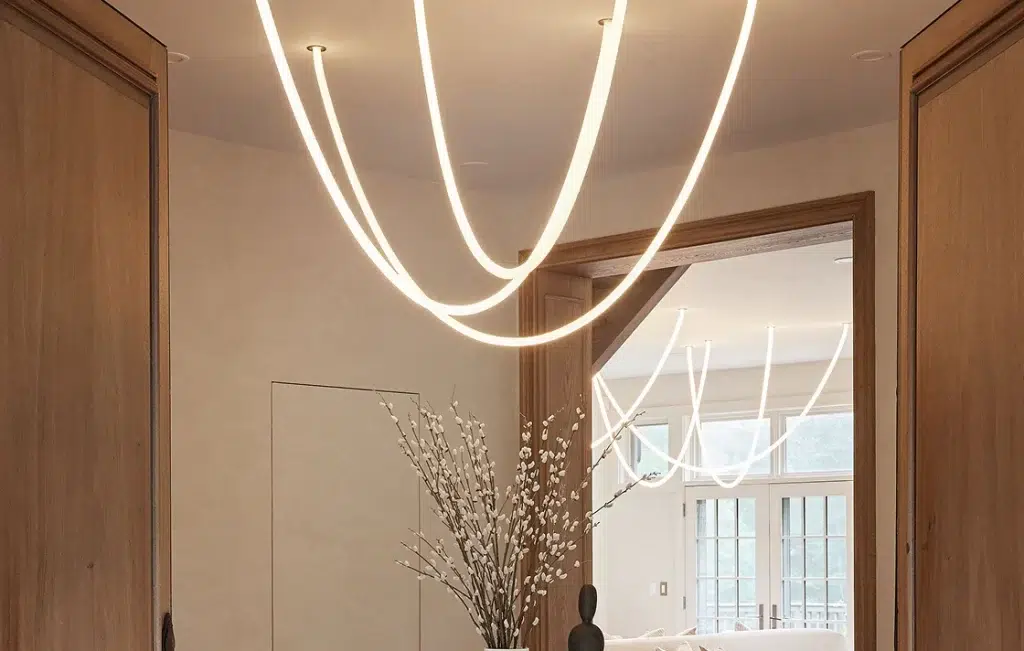
Lighting affects both how a room functions and how it feels. Instead of relying on a single overhead source, consider layered lighting:
- Ambient lighting for overall illumination
- Task lighting for reading, cooking, or working
- Accent lighting to highlight art or architectural details
- Table and floor lamps, plug-in sconces, and dimmers to add flexibility
- Warm bulbs to create a softer, cozy atmosphere
Introduce Color and Finish
A fresh coat of paint can transform a room with relatively little disruption. You might:
- Introduce a new wall color
- Unify trim and door colors
- Refinish existing wood rather than replacing it
- Use color to connect adjoining spaces
- Introduce removable wallpaper where you want pattern or visual interest without a permanent change
When choosing a fresh coat of paint, you may also want to consider products with lower VOC emissions. The EPA explains how volatile organic compounds can affect indoor air quality.
Reconsider Upholstery and Textiles
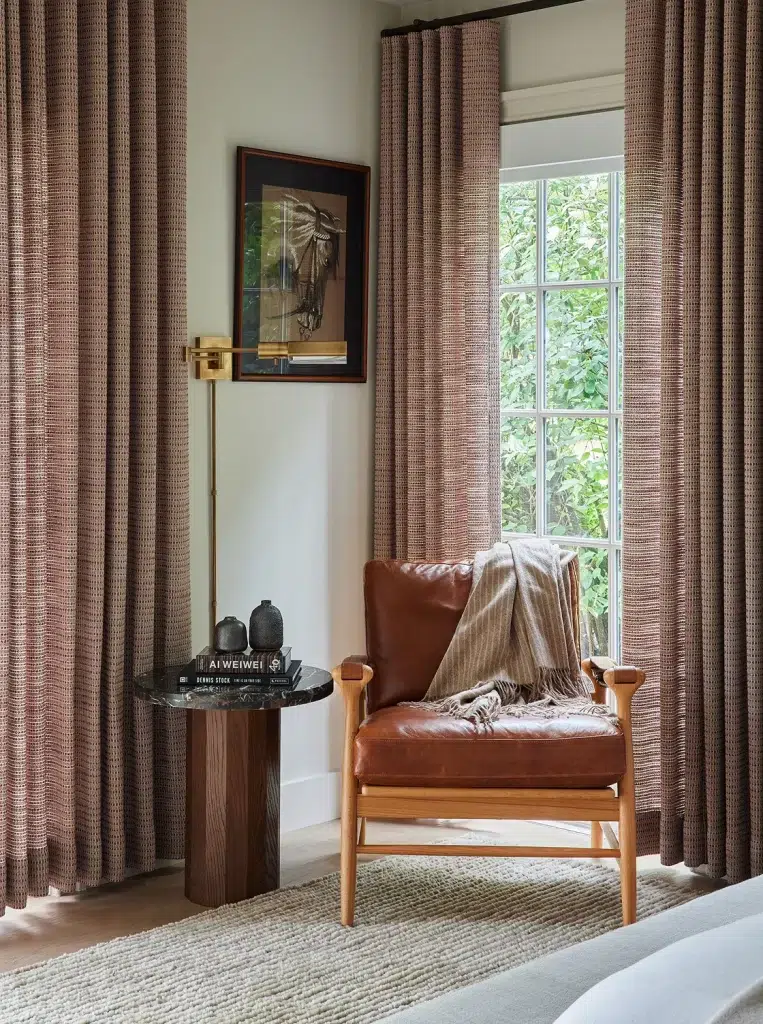
Textiles can change the scale, color, comfort, and cozy texture of a room without replacing everything in it. Consider:
- Reupholstering a sofa or chair worth keeping
- Choosing area rugs that are better proportioned to the room
- Updating curtains or other window treatments
- Layering linen, wool, and other tactile materials
- Introducing new pillows or throws
Comfort is non-negotiable. A room should not only look good, but be a place where you want to spend time.
Style With Art and Personal Objects
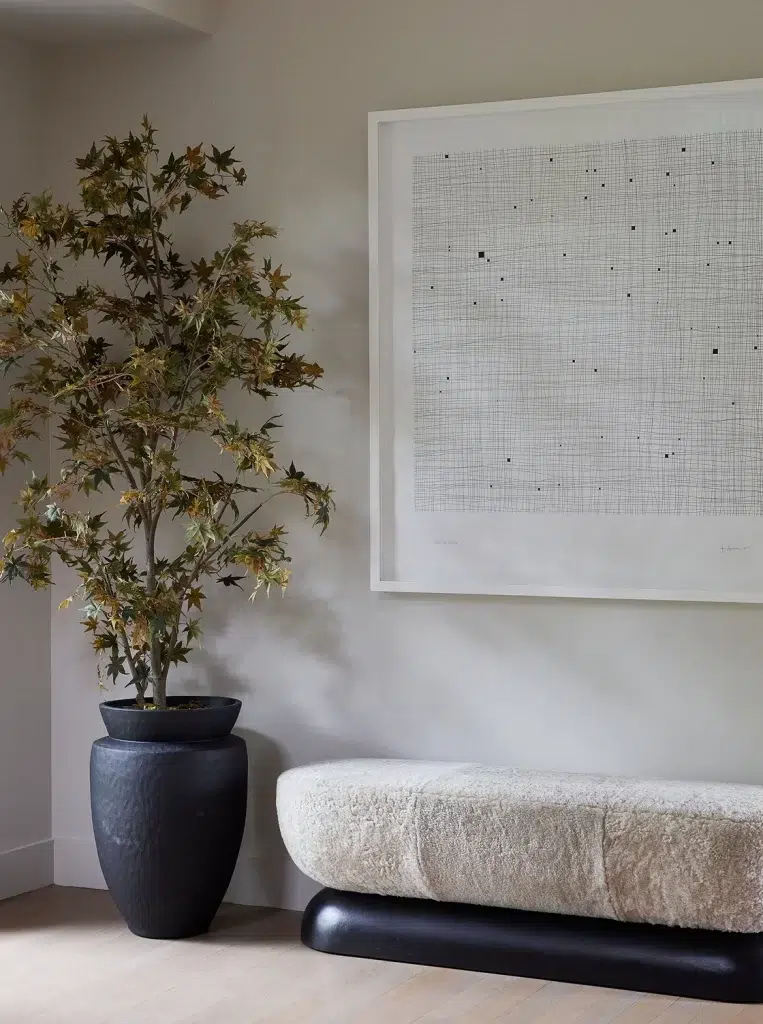
Art and decorative objects can change the character of a room and make it feel more personal. Look at what you already have, then consider what might be missing or better suited to the space.
- Reposition artwork to better suit the scale of a wall
- Move favorite pieces between rooms
- Group books, decor items, and personal objects with intention
- Add a larger artwork or gallery wall to bring visual interest to an empty space
- Introduce new pieces that bring color, texture, or personality
- Leave enough negative space around objects and artwork so individual pieces have room to breathe
The goal of decorating is not simply to fill the room. It is to create a thoughtful mix of pieces you already love and new additions that make the room feel more complete and distinctly yours.
Step 4: Fill the Gaps With Custom Solutions
Often, even after reworking the layout and furniture, a room needs something more specific. You might be working with unusual proportions, an awkward wall, or a need that standard furniture and storage cannot quite address. This is where a custom piece can make sense.
For example:
- An awkwardly proportioned living room: A sofa designed to fit the space
- A narrow or difficult wall: A made-to-measure console
- Not enough seating: A banquette or window seat
- Clutter without a home: Integrated cabinetry, built-in storage, or a media wall
Custom furniture and custom millwork can solve a specific problem while feeling like they have always belonged in the room. Rather than trying to make an almost-right piece work, you can create something around the proportions of the space and the way you actually use it.
Step 5: Look at the Home as a Whole
Good home design is not about treating every room as a separate project. Look for opportunities to create a sense of rhythm from room to room:
- Color: Repeat certain tones without using the exact same palette everywhere.
- Materials: Carry a few woods, metals, stones, or textiles throughout the home.
- Lighting: Keep the warmth of the light consistent between spaces.
- Proportion: Make sure furniture feels appropriately scaled to each room and to the home overall.
- Sightlines: Consider what you see through doorways and between adjoining rooms.
- Art and objects: Use personal pieces to create a thread throughout the home.
The goal is cohesion, not uniformity. Each room, from the living room to the dining room and kitchen, can have its own character and style while still feeling like it belongs to the same vision.
Step 6: Consider Working With a Professional Designer
A whole home refresh involves dozens of decisions, from what to keep and where furniture should go to which new pieces will have the greatest impact. Professional interior designers can help homeowners see the possibilities in an existing space, prioritize those decisions, and make sure each change works together as part of a cohesive home.
At Atelier CV, our design process starts with understanding your home, how you live, and what you want to change. From there, we develop a concept that guides decisions about layout, furnishings, lighting, materials, art, and custom pieces before moving into sourcing and installation.
We work with clients throughout New York City, Massachusetts, New Jersey, Long Island, Connecticut, and Florida. If you’re considering a home improvement project and want to rethink your home without starting over, contact Atelier CV to start the conversation.
Frequently Asked Questions
How Long Does a Whole Home Refresh Take?
A refresh generally involves less construction than a renovation, but the timeline depends on the scope and the pieces being sourced. Custom furniture, upholstery, and millwork typically require longer lead times than readily available furnishings, art, and accessories.
Can You Refresh a Rental or Co-op Without Renovating?
Yes. Furniture, rugs, art, textiles, and many lighting changes can transform a rental or co-op without altering the architecture. For built-ins, electrical work, or other permanent changes, check your lease or building requirements before moving forward.